
Our Blog

What Is the Difference Between a Wine Cellar and a Wine Room?
The glass-enclosed space under the staircase looked beautiful — frameless panels, clean hardware, hundreds of bottles on display. The homeowner called it a wine cellar. The glazier who installed it called it a wine room. That distinction wasn't splitting hairs. Six months later, the bottles near the glass were showing signs of premature aging.
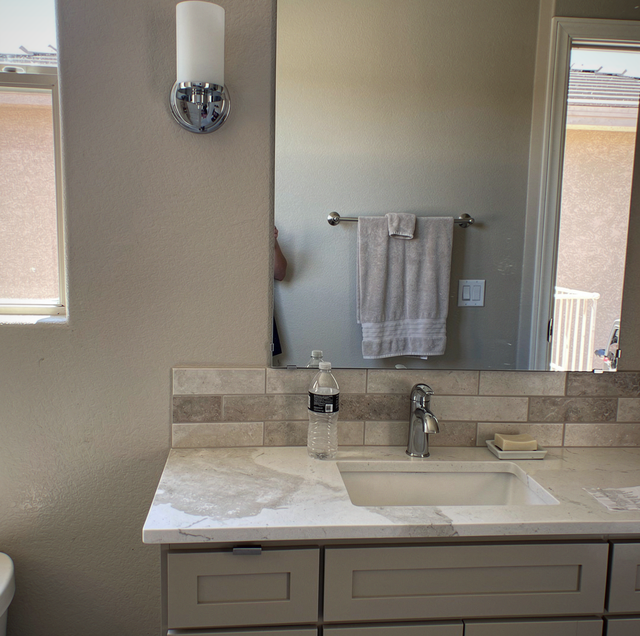
Mirror Too Small? How to Choose the Right Size for a Bathroom Vanity
A mirror that's too small looks like an afterthought propped above a sink. One that's too large can crowd sconces, clip a window trim, or make a single vanity feel like it's wearing someone else's coat.
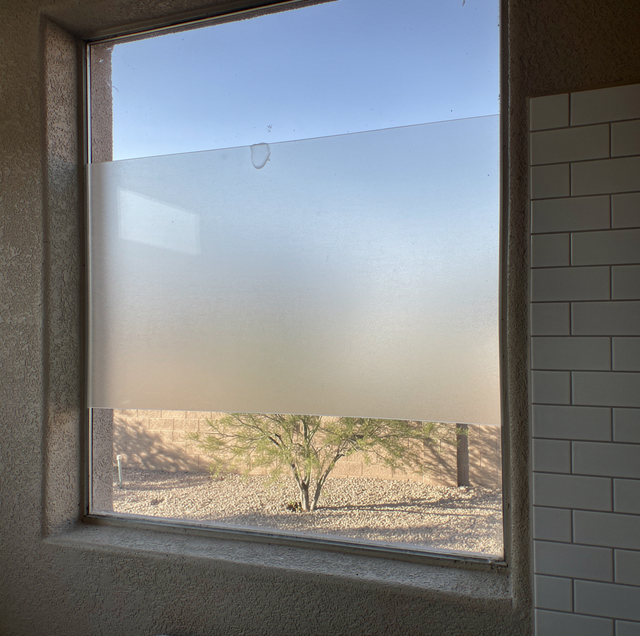
Add Privacy to Glass Without Losing Natural Light
A bathroom window that faces a neighbor's siding. A home office door that opens onto a hallway everyone else in the house uses all day.

What Should a Glass Railing Quote Include?
You get two quotes for the same deck railing job. One is $4,400. The other is $7,900. Both say "glass railing installation" at the top, and that's about where the similarity ends.

Sliding Glass Door Hard to Slide? 6 Fixes That Work
A patio door that once glided with a fingertip now takes a shoulder and a grunt.
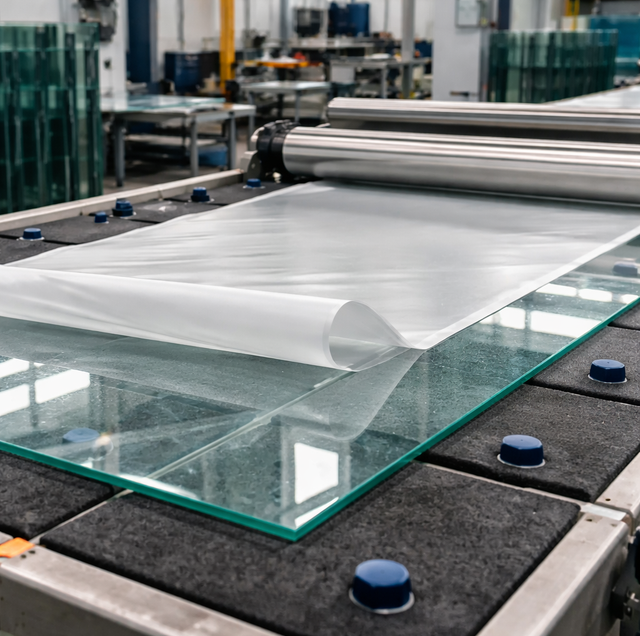
What Is Laminated Glass? The Layer That Holds Broken Glass Together
Slam a car door hard enough, and the windshield stays put, even after a rock has spidered it on the highway.

What Should I Do If My Storefront Glass Gets Broken Overnight?
Your phone rings at 2:47 a.m. — the alarm company, not a family member, which is somehow worse. The camera feed shows your storefront window in pieces on the sidewalk and an open hole where your entry glass used to be.


What Type of Glass Is Used for Wine Cellars?
Pull the wrong bottle off a shelf that's been sitting in sunlight and you'll know something's off before you even pour it. The aroma is flat. The color has shifted. In serious cases the wine smells of wet cardboard, onion, or something faintly burnt. Winemakers call it "lightstruck" — and it's irreversible.
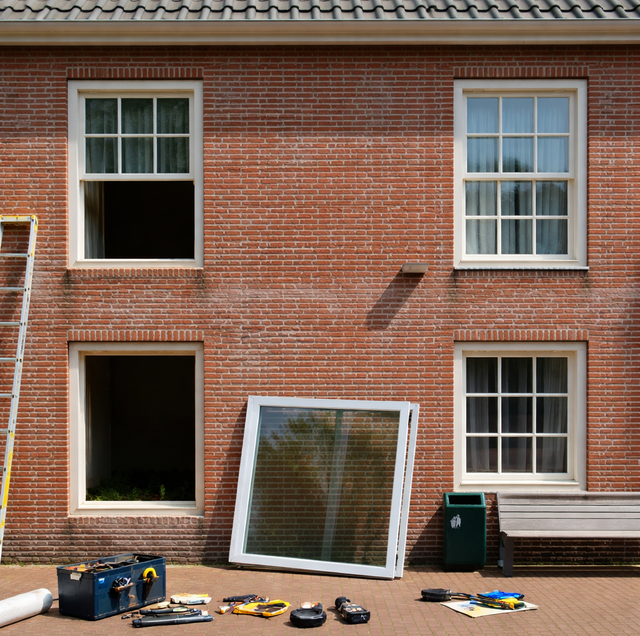
Glass-Only vs. Full Window Replacement: How to Decide
A failed window sends mixed signals. One sits fogged and gray between the panes but opens and locks like the day it went in. Another looks perfectly clear yet drags in its track, whistles on a windy afternoon, and shows soft spots along the sill.

When Should You Replace a Cracked Window Instead of Repairing It?
You noticed it three days ago — a thin line running from the lower corner, quiet enough that you almost thought it had always been there. Now it's longer. That's the moment most people pick up the phone.
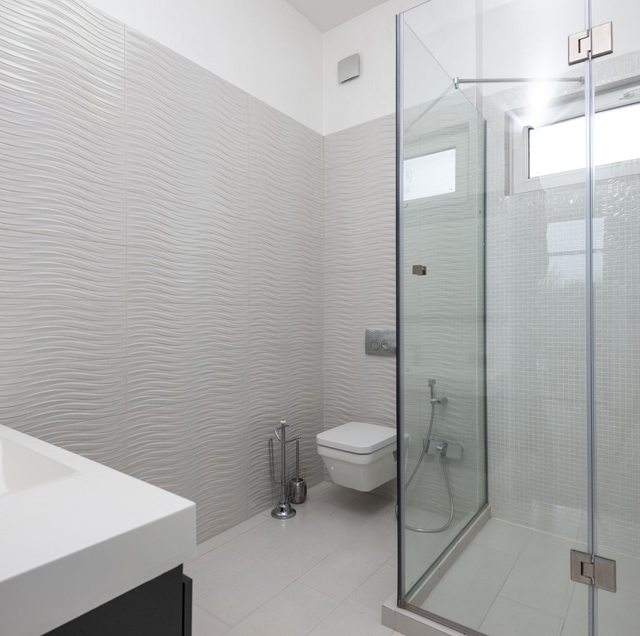
Frameless Shower Door Glass Thickness: What You Need
A frameless shower door has no metal channel wrapped around its edges to keep it stiff and square.
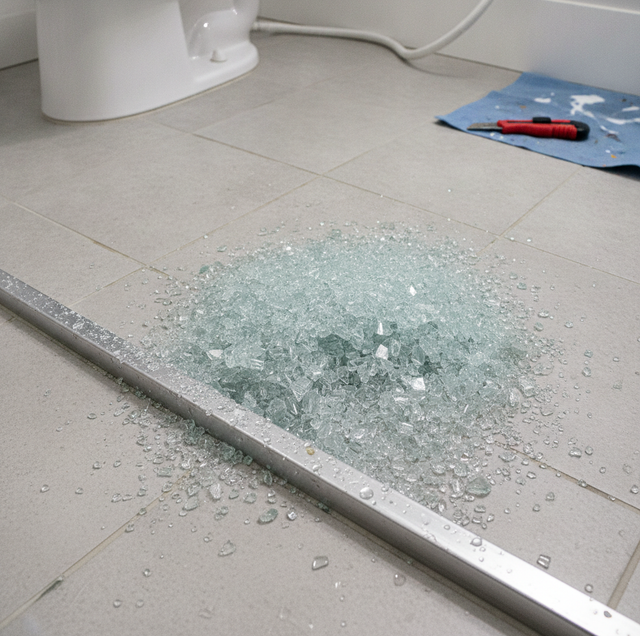
What Is Tempered Glass? The Safety Difference That Prevents Injuries
Most people never notice the glass around them until a pane breaks. When it does, the difference between the two main kinds of glass becomes very obvious, very fast. One kind falls apart into a pile of small, dull chunks that you can sweep up. The other splits into long, jagged blades that continue to hurt people long after impact. That difference is the whole reason tempered glass exists, and it explains where the building world quietly insists on it.

Low-E vs. Standard Glass: Which Keeps a Home Cooler?
If a room feels like an oven by mid-afternoon while the thermostat shows the air conditioning is running fine, the windows are often the reason. Two panes can look nearly identical from across the room and behave completely differently once the sun hits them. One lets the heat pour in; the other turns most of it away. The difference is a coating you can barely see.

Why Are My Shower Door Tracks Always Getting Dirty?
You scrub the track, rinse it clean, and three days later there's a pink ring growing at the bottom again. The grout on your tile walls stays reasonably clean. The glass clears up with a squeegee. But the track — that shallow metal channel running along the bottom of your shower door — seems to generate grime faster than you can eliminate it.
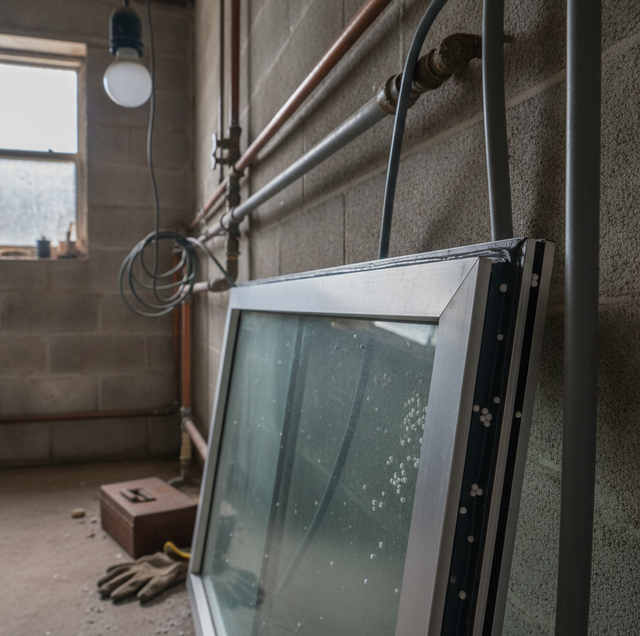
Why Your Dual-Pane Window Fogged Up (and Whether It's Fixable)
You reach for the glass cleaner, wipe both sides, step back, and the haze is still there. Wipe again, harder, and nothing changes. That is the moment most people realize the cloudiness is not on the window at all. It is inside, sealed in a space you cannot reach, and no amount of scrubbing will touch it. What you are looking at is a single, familiar failure, and once you know the part that broke, both the cause and the repair fall into place.

Why Do Commercial Storefronts Use Tempered Glass?
A shopping cart slips free in a parking lot and rolls straight into the front of a store. The glass shakes, takes the hit — and holds. Or it doesn't. The way it fails is what makes all the difference between a quick sweep-up and an injury that shuts your business down for the rest of the day.
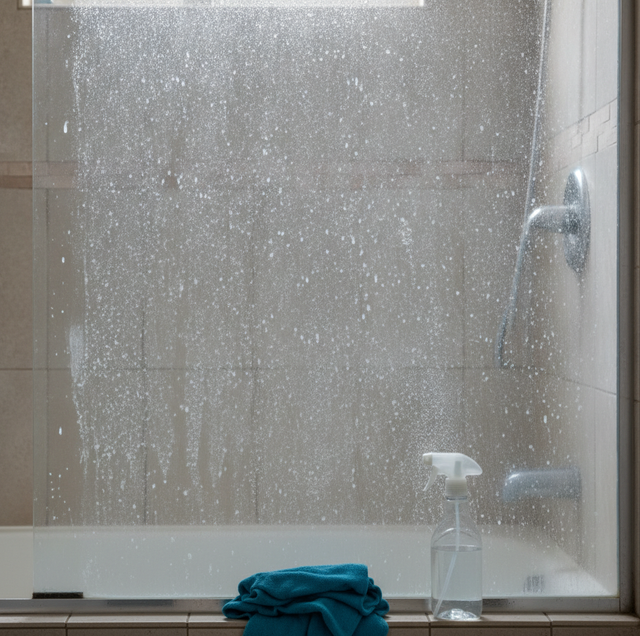
How to Clean Shower Glass Without Scratching or Etching It
Your shower glass has gone cloudy and spotted, and every time you attack it with a scrubby pad, it looks a little better and a little more scratched. There is a real fear here that you could permanently damage the glass while trying to clean it, and that fear is justified because the wrong tools and assumptions can do exactly that. The trick is knowing what the cloudiness actually is and cleaning it the way that spot calls for.

Why Does My Double-Pane Window Have a Crack Between the Panes?
You walk past the window in the morning and something's off. The glass looks intact from the outside. But there's a crack sitting right between the two panes — visible, but completely unreachable. No rock hit it. No kid was throwing a ball. The crack just appeared.
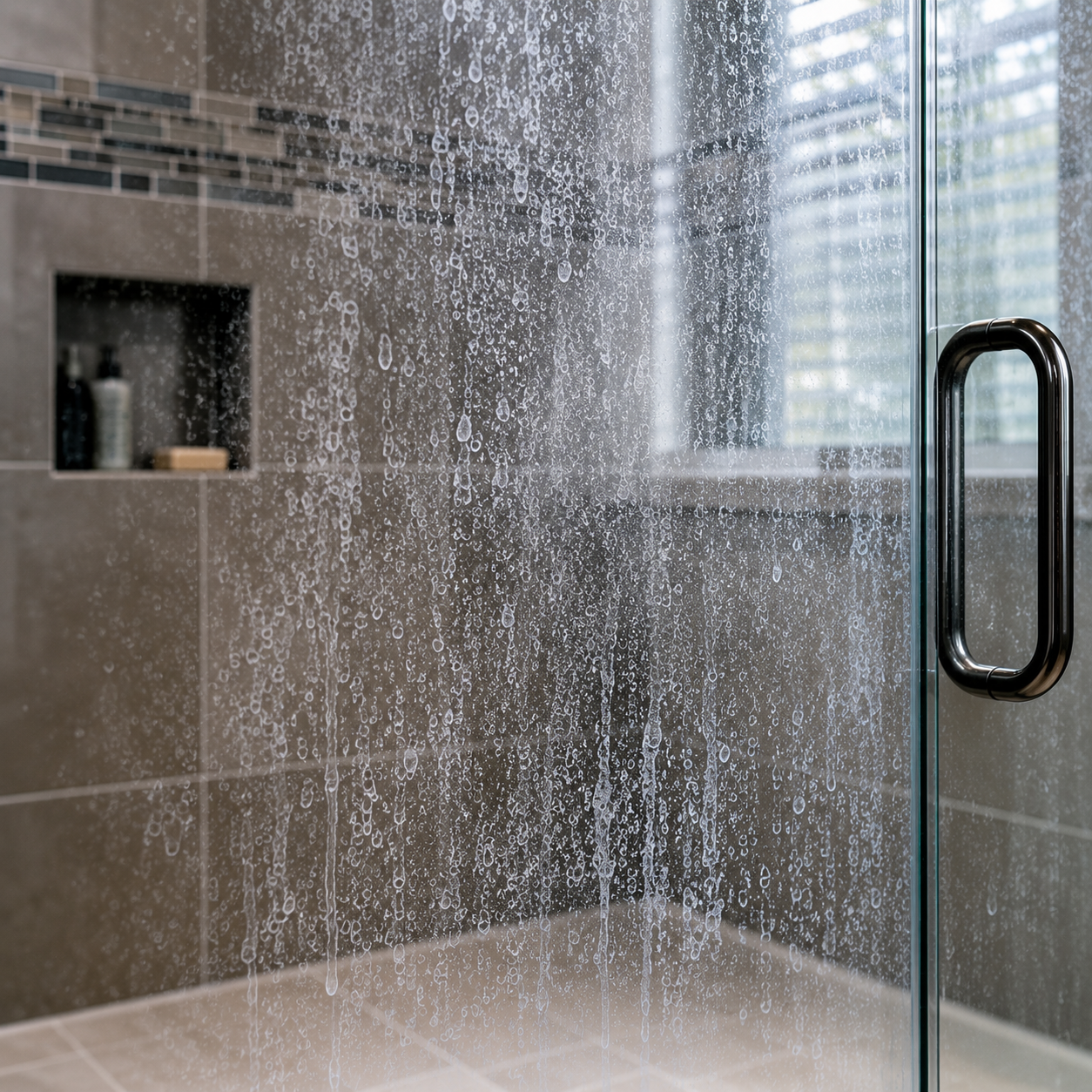
Hard Water Spots on Shower Glass? Causes and How to Prevent Them
You squeegee, you scrub, you try the vinegar trick everyone swears by, and the shower glass still looks like it's wearing a permanent fog. In the Las Vegas Valley, this is almost a rite of homeownership, because the water here is some of the hardest in the country. Those cloudy patches aren't dirt, and they aren't your cleaning technique failing you — they're minerals, and understanding how they get there is the difference between glass that stays clear and glass you end up replacing.