
What Should I Do If My Storefront Glass Gets Broken Overnight?
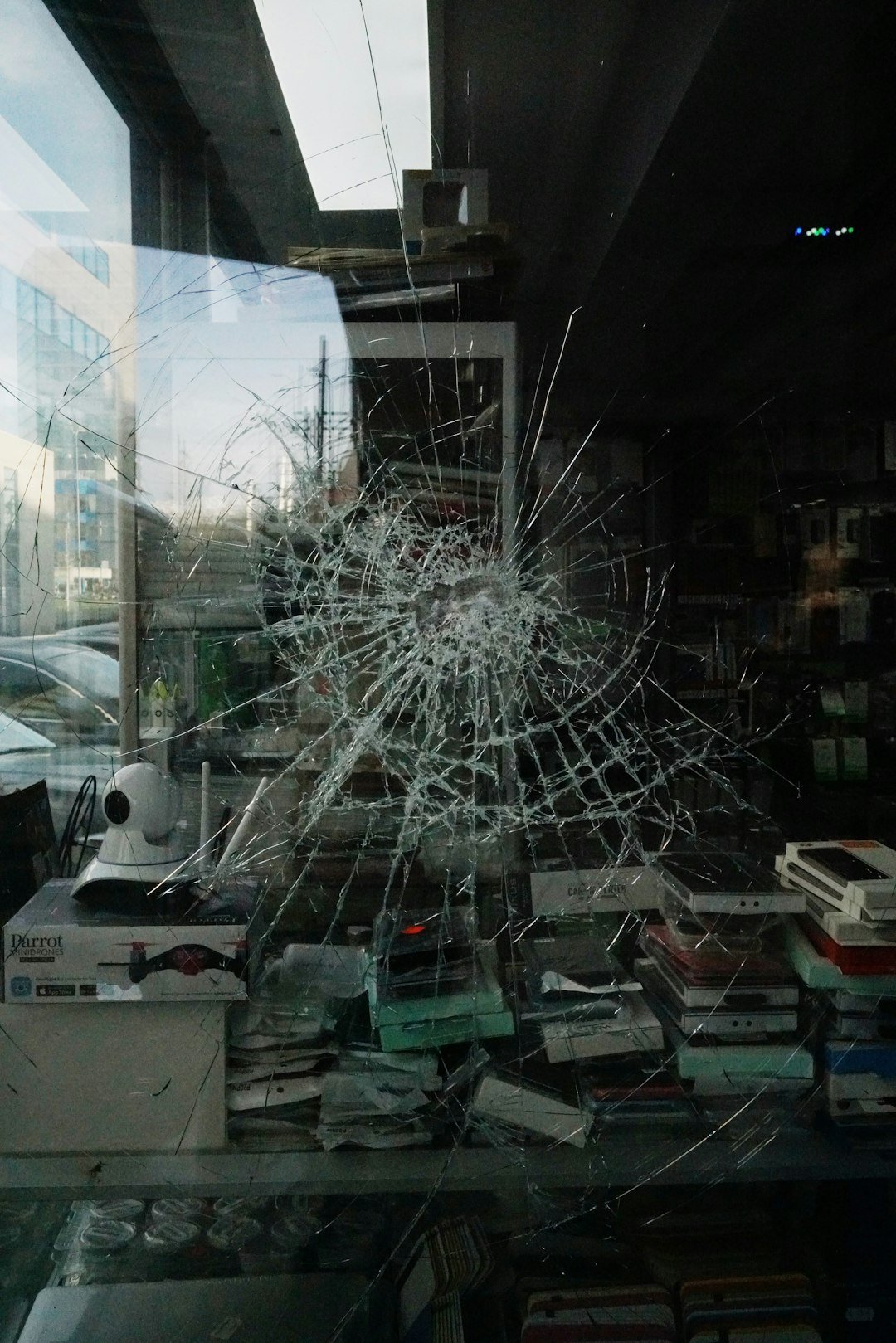
Your phone rings at 2:47 a.m. — the alarm company, not a family member, which is somehow worse. The camera feed shows your storefront window in pieces on the sidewalk and an open hole where your entry glass used to be.
The next call you make matters more than you think.
Step 1: Call the Police Before You Touch Anything
Before you drive to the property, call 911 and report the damage. Whether it was a smash-and-grab, vandalism, or a vehicle collision, you need a police report number. Your insurance carrier will ask for it, and without one, some claims are denied outright.
Don't enter the building if the situation looks unsafe. Tempered glass shatters into thousands of small granules. Laminated glass holds together but leaves sharp interlayer exposed. Both are dangerous. And if someone broke in, they may not have left.
Step 2: Secure the Sidewalk Immediately
Here is what most guides leave out: the glass on the public sidewalk is your liability problem, not the city's.
If a pedestrian walks through at 5 a.m. and cuts themselves on shards outside your business, that injury traces back to you. The moment you know about a breakage adjacent to a public walkway, you have an obligation to address it — at minimum, with a barrier.
When police are on site, ask them to post cones or tape around the perimeter while you wait for the glazier. If you can get there safely before the crew arrives, a roll of caution tape around the affected area takes about three minutes. The cost of neglecting this step is an entirely different kind of claim.
Step 3: Call the Glazier First, Then the Insurance Company
Most business owners flip this order. They call the insurance hotline while still on the highway, spend forty-five minutes on hold, and reach the property hours later with nothing secured.
Call the glazier first.
A licensed emergency glazier dispatches a board-up crew within one to two hours, night or day. The crew documents the damage on arrival — before anything is moved or boarded. That professional assessment becomes part of your insurance file.
After you've got a crew en route, call your insurance carrier. Give them the police report number, confirm a glazier is already dispatched, and ask specifically: does your policy require a licensed contractor for the board-up to be covered? Some policies do. Confirm the glazier you called meets that requirement.
Step 4: Understand What the Board-Up Actually Does
A board-up is a temporary measure. That's it. But a proper board-up does several things a quick patch won't:
Closes the weather gap. An open storefront overnight in wet or dusty conditions can damage inventory, flooring, and equipment far beyond the glass itself. A properly installed board seals the opening at the frame.
Deters opportunistic theft. An uncovered opening invites a second hit. Professional crews use 3/4-inch plywood cut to overlap the frame by at least two inches on each side, anchored into the surrounding structure — not just leaned against the opening.
Preserves the insurance scene. A crew that photographs before boarding gives you a documented pre-board state that becomes your evidence.
The glass type you had matters here. If your storefront ran tempered glass, the entire pane is gone once it breaks — there's nothing left in the frame. The opening is completely exposed. Laminated glass behaves differently: the interlayer holds the shattered sheet in place, so you may have a partially intact panel still sitting in the frame. That changes the board-up approach. A laminated panel still in the frame needs to be removed or reinforced before boarding — it's not the same as boarding an empty opening. Tell the dispatcher which type you have if you know it.
If you can see the glass from the camera feed, tempered glass looks like a pile of granules. Laminated glass looks like the pane is still there but cracked — it has a webbed or splintered pattern and the sheet is mostly intact.
Many times, customers drive to the property at 3 a.m. and pull the remaining laminated panel out themselves because they thought they were helping. That's exactly wrong — you can destabilize the frame, drop 80 pounds of glass onto the sidewalk, and hurt yourself. Leave panel removal to the crew.
Step 5: Document Before Anything Is Disturbed
Once police are done and before the board-up crew starts work, photograph everything yourself. Here's the sequence that matters for insurance adjusters:
| What to Photograph | Why It Matters to Adjusters |
|---|---|
| Wide shot of full opening, including surrounding frame | Establishes scope of glass damage vs. frame damage |
| Close-up of the failure point or impact area | Identifies cause — impact vs. thermal stress vs. structural failure |
| Interior view from outside the opening | Shows whether rain, debris, or persons entered |
| Merchandise or equipment near the opening | Documents potential secondary damage for the claim |
| Lock mechanism or door hardware | Relevant if the entry door itself was the broken element |
| Any visible security film or coatings on glass remnants | Confirms glass specification for the replacement quote |
Time-stamp your photos by keeping the phone clock visible in frame, or email photos to yourself immediately after taking them. Adjusters look for a documented timeline — when you knew, what you saw, what you did first. Gaps in that timeline create claim delays.
Step 6: The Tenant vs. Landlord Question
In a commercial lease, responsibility for emergency glass replacement depends on what your lease actually says — not what either party assumes.
Most commercial leases place responsibility for storefront glass on the tenant, even when the glass is technically part of the building shell. The reasoning: the tenant controls the space and is expected to carry property insurance that covers the glass.
But many tenants don't know this until something breaks at 3 a.m.
Check your lease for language around "plate glass," "storefront glazing," or "window glass." If the lease assigns structural glass to the landlord and the storefront is a fixed-frame system, you may have grounds to involve them. If you can't locate the lease at 3 a.m., call the glazier anyway — delay costs more than ambiguity.
And if your lease requires you to notify the landlord immediately of damage to the premises, make that call after the glazier, not instead of it.
Step 7: What Happens Next — Permanent Glass Replacement
The board-up holds you through the immediate crisis. The timeline to permanent glass replacement is longer than most people expect.
Board-up crews arrive within one to two hours in most markets. The permanent glass typically takes a minimum of 24 to 48 hours for standard sizes — and longer for anything custom-cut, low-E coated, or insulated. Commercial storefronts often run 1/4-inch tempered or 3/8-inch laminated glass at sizes that need to be fabricated, not pulled from a truck's stock inventory.
Here's the realistic sequence:
1. Night of the break: Board-up crew arrives, secures the opening, documents damage, and measures for permanent glass.
2. Next morning: Your glazier provides a written quote. Submit that quote to insurance along with your documentation and police report number.
3. Day 2: Custom glass is ordered if not in stock. Fabrication runs one to three business days for non-standard sizes.
4. Day 3–5: Glass delivered and installed. Frame inspection confirms the aluminum channels and retaining clips are undamaged before new glass goes in.
Emergency board-up service starts at $300, with after-hours labor factored in. Permanent storefront glass replacement runs $800 to $1,500 for a standard single opening, depending on glass type and frame condition. Low-E insulated units cost $28 to $35 per square foot in materials, before framework and labor.
Step 8: Close the Vulnerability Gap While You Wait
While you're running on plywood, take a hard look at what your board-up is protecting.
If your cash register, safe, or display case is visible through gaps at the panel seams, move those items now. A proper board-up should be solid, but a determined person with time can work plywood. Your most visible valuables shouldn't be the first thing a passerby sees through the edges.
If you operate a restaurant or carry perishable inventory near the opening, confirm the board-up has fully closed the thermal gap. An open storefront in summer can spike interior temperatures fast.
But the board-up is not a long-term answer. The longer you run on plywood, the longer your business presents as distressed — and that signals to opportunists that the opening is worth revisiting.
Frequently Asked Questions
A glazier running a true 24/7 emergency line — not a after-hours answering service — can typically have a board-up crew on site within one to two hours. The board-up closes the opening immediately. The permanent glass replacement follows the next business day in most cases, assuming your size is in stock. Fabricated custom pieces take one to three business days beyond that.
Most commercial property policies cover plate glass breakage, but the trigger varies. Vandalism, vehicle impact, and certain weather events are typically covered. Pure thermal stress or installation failures may not be. Your policy may also carry a separate glass breakage rider with its own deductible — check before you assume the full replacement cost is covered.
Outside, always. Boarding from inside a broken opening still leaves the exterior surface exposed to weather and removes any deterrent to entry. An exterior board, cut to overlap the frame and anchored into the surrounding structure, closes the weather gap and creates a physical barrier. If the frame itself is damaged, the glazier reinforces it before setting the board.
Usually the tenant, unless your commercial lease specifically assigns storefront glass to the landlord. Check for language around "plate glass" or "storefront glazing." Regardless of who is ultimately responsible, call the glazier first — delay creates more damage, more liability, and a harder insurance claim.
A board-up uses plywood to close the opening until permanent glass is fabricated. A temporary clear panel — typically polycarbonate — allows the storefront to look operational while you wait. Temporary clear panels cost more than plywood but let customers and passersby see that the business is still running. Your glazier can advise which is appropriate based on your opening size, timeline, and security needs.
No. Storefront glass is tempered or laminated, and neither type can be resin-repaired once broken. Tempered glass shatters into granules — there is nothing left to repair. Laminated glass holds its shape, but the interlayer is permanently compromised once the glass breaks. Full panel replacement is the only code-compliant outcome. If someone tells you otherwise, ask them to put it in writing.
Request emergency board-up and storefront glass replacement — Luxe Residential and Commercial Glass handles emergency board-up services, commercial glass repair, and full storefront glass replacement throughout Las Vegas, Henderson, North Las Vegas, and the surrounding metro. Call (702) 825-7463 (License #0090853) to schedule.
