
Glass-Only vs. Full Window Replacement: How to Decide
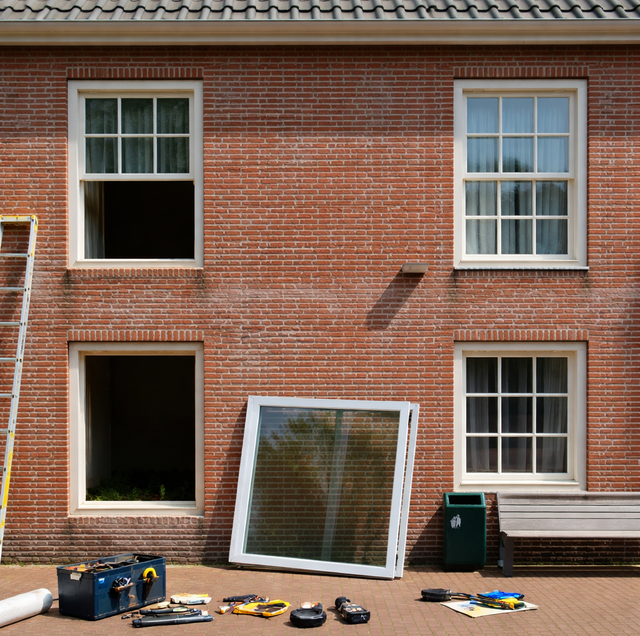
Quick Answer: Glass-only replacement swaps just the sealed insulated glass unit (IGU) inside your existing frame and sash, and it fits when the frame is sound but the glass has failed, fogged, cracked, or you want to upgrade the coating. Full window replacement removes the frame and sash too, and it is the right call when the frame itself is rotted, warped, leaking air, or no longer operates. The deciding question is not the invoice but the location of the failure.
A failed window sends mixed signals. One sits fogged and gray between the panes but opens and locks like the day it went in. Another looks perfectly clear yet drags in its track, whistles on a windy afternoon, and shows soft spots along the sill. Those are two different problems wearing the same label, and each points to a different fix. Choosing well starts with naming which part of the window actually let you down: the glass or the frame that holds it.
What Glass-Only and Full Replacement Actually Mean
A modern window is two systems in one opening. The glass package is the sealed insulated glass unit, two or more panes bonded to a spacer around the edge with a sealed air or gas gap between them. The frame system is everything around and behind that glass: the outer frame anchored to the wall, the moving sash, the balances or hardware that let it slide or crank, and the weatherstripping that seals it shut.
Glass-only replacement, also called an IGU swap, removes the sealed glass unit and sets a new one into the same sash and frame. The hardware, the trim, and the wall opening stay untouched. Full window replacement takes out the sash and frame as well, either back to the existing frame (an insert or retrofit) or all the way to the rough opening in the wall (a full-frame replacement).
A car with a cracked windshield needs a glass job, quick and contained. A car with a frame bent in a collision needs the shell that holds everything taken apart first. Same idea at the window: fix the pane, or rebuild the pocket that holds the pane.
Start With the Real Question: Glass or Frame?
Before anyone talks parts, figure out what failed. Nearly every window complaint traces back to one side or the other, and the answer decides everything downstream.
Signs the problem is the glass:
- Fog, haze, or a milky film between the panes that no cleaning reaches. That is a failed seal letting moisture into the gap, and it is a glass-unit failure, not a frame issue.
- A crack, chip, or shattered pane from impact or stress.
- Clear glass with no coating when you want Low-E or a laminated safety pane, and the frame around it is still solid.
Signs the problem is the frame or sash:
- Wood that is soft, spongy, darkened, or crumbling at the sill or corners.
- A sash that sticks, sags, drops when unlatched, or will not stay up.
- Drafts you feel with the window shut, or daylight visible around the sash.
- A vinyl or aluminum frame that has warped, so the sash no longer meets the seal evenly.
If the failure sits in the glass and the frame is truly sound, glass-only is usually the leaner fix. If the frame has gone, a new pane just goes back into a bad host, and the drafts, the sticking, and the water intrusion all remain.
When Glass-Only Replacement Makes Sense
A few situations call for keeping the frame and changing only the sealed unit.
A fogged or failed IGU in a solid frame: When the edge seal fails, the insulating gap fills with humid air and fogs, and no film or coating restores it once that happens. If the sash still operates and the frame is tight, a matched replacement IGU restores the clear view and insulating gap without disturbing the opening.
A cracked or broken pane: Broken glass is dangerous. If the surrounding frame took no structural damage, the glass unit alone can be measured and remade.
Broken glass is a laceration hazard and should be treated as one. Keep people and pets clear, and do not try to lever out a large or shattered pane by hand.
A coating or safety upgrade in a sound window: Some homeowners want to move from plain double-pane to a Low-E unit for heat control, or to a laminated or tempered pane near a door or tub where safety glazing matters. When the frame is in good shape, that upgrade can happen at the glass level.
Glass-only keeps the existing trim, avoids opening the wall, and is generally faster on site. Its limit is simple: it does nothing for a frame that has already failed.
When Full Window Replacement Is the Right Call
Some conditions mean the frame itself has to go, and a new pane alone would be money spent on a losing host.
Rot, decay, or warping in the frame: Soft wood at the sill or corners, or a vinyl frame that has distorted so the sash no longer seats, cannot be sealed by new glass. Left in place, rot spreads into the surrounding wall.
Failed operation or hardware: When balances, tracks, or crank mechanisms are worn past repair, and the parts are no longer made, replacing the sash and frame restores smooth, sealing operation.
Persistent drafts and water intrusion: Air you feel with the window latched, or staining below the sill, points to seal and flashing problems that live in the frame, not the glass.
A single-pane window on a tired frame: Going from single-pane to insulated double-pane is a glass change on paper, but old single-pane sashes are often too shallow to hold a thicker sealed unit, and the frames are frequently at the end of their life anyway. In that case, a full replacement is the cleaner path than forcing a modern IGU into an opening never built for it.
Large panes and any second-story glass belong to a pro regardless of direction, both for the weight and for the fall risk during removal and setting.
How an IGU Is Measured and Matched
A replacement sealed unit is custom-built to the opening, so the measuring is exact. A glazier records the visible glass size plus the pocket depth, then works out the true unit dimensions, allowing for the bite the frame takes on each edge. The overall thickness matters as much as height and width, because the new unit has to seat in the same glazing channel the old one used.
Matching goes beyond size. The spacer type, the number of panes, the presence and surface position of any Low-E coating, and whether the pane is annealed, tempered, or laminated all get specified so the new unit performs and reads like a correct match to the rest of the house. Near a door, a tub, or a stairway, code-driven safety glazing may require a tempered or laminated pane rather than plain annealed glass, and that is confirmed before anything is ordered.
Retrofit vs Full-Frame: The Two Ways to Do a Full Replacement
Full replacement itself splits into two approaches, and the frame's condition decides which fits.
An insert or retrofit replacement sets a new window inside the existing frame, leaving the exterior trim and the surrounding wall largely undisturbed. It suits a frame whose outer structure is still sound and square but whose sash and glass are done. It is less invasive and keeps the interior and exterior finishes intact.
A full-frame replacement strips out the old frame down to the rough opening in the wall, which lets the installer inspect and re-flash the opening and address any hidden rot before the new unit goes in. It is the honest answer when water has already reached the framing, when the opening is out of square, or when the old frame cannot be trusted. It is more work, but it is the only way to reset a compromised opening properly.
What to Check Before You Decide
A short walk-around tells you most of what you need.
Look at where the fog or haze sits. Between the panes means the sealed unit has failed; on the surface means it is cleanable and not a seal failure at all.
- Press the sill and lower corners. Firm and sound points toward the glass only; soft or spongy points toward the frame.
- Look at where the fog or haze sits. Between the panes means the sealed unit; on the surface means it is cleanable and not a seal failure at all.
- Work the window. Smooth operation and a tight latch favor keeping the frame; sticking, sagging, or a sash that drops favors replacing it.
- Feel and listen at the edges on a windy day. Air movement with the window shut points at the frame seal.
- Note the glass type and location. Panes beside doors, tubs, showers, and stairs may need safety glazing, which shapes what the replacement has to be.
Match the fix to the failure, and you pay for what is actually broken. Force the wrong one, and you either leave a bad frame in service or scrap a perfectly good one.
Frequently Asked Questions
Manufacturers commonly warrant the seal on an insulated glass unit for around ten to twenty years, and many fail somewhere in that window as the edge seal degrades and the desiccant that keeps the gap dry becomes saturated. Units on hot, sun-drenched exposures tend to reach the end sooner because the daily expansion and contraction of the sealed gas works the seal harder than a shaded, north-facing unit sees.
No. The argon that fills the gap in many insulated units cannot be topped up or re-injected once a seal has failed, because the failure is a broken airtight bond, not simply low gas. Even an intact unit slowly loses roughly one percent of its argon a year through the seal by design, and once that seal breaks, the only real fix is a new sealed unit rather than a recharge.
Usually closely, but not always perfectly, because glass makers and coating formulas change over the years and a decade-old pane may carry a faint tint or subtle Low-E cast that a current unit renders slightly differently. On a very visible wall of glass, some homeowners choose to replace the sealed units on adjacent windows at the same time so the whole run reads uniform rather than leaving one pane looking off next to its neighbors.
It can, in either direction. The energy performance number printed on the original window described that whole assembly, so dropping in a plain replacement pane where a coated one used to sit lowers the real-world performance, while upgrading a clear unit to a Low-E or argon-filled one improves it. The frame and its air-sealing still carry part of the rating, which is why a leaky frame caps how much a better pane can help.
No, only where the glass sits in a hazardous location. Safety glazing, meaning tempered or laminated glass, is generally called for within a set distance of doors, at the bottoms of stairways, and beside tubs and showers, where a fall into the pane is likely. Elsewhere, standard annealed glass is permitted, which is why the installer confirms each opening's use before specifying the pane rather than defaulting the whole house to tempered.
Telltale signs are staining or peeling paint below the sill, a musty smell near the window, or soft drywall at the interior corners, any of which suggests water has already reached the wall framing behind the trim. An insert window would seal over that damage and let it keep spreading, so when those signs appear, the frame is opened to the rough opening, the sheathing and flashing are inspected, and any rot is corrected before a new unit goes in.
Book a free consultation to have your window checked and matched to the right fix — a pane swap or a full replacement, sized and specified for your home. Luxe Residential and Commercial Glass serves the Las Vegas Valley. Call (702) 825-7463.
